Media Planning for UAE Hospitality and Hotel Brands
by Aneesa Umber — 21 Oct 2026
9 minute read
The UAE hospitality market attracts millions of international visitors, business travellers and residents seeking leisure experiences each year. For hotels, resorts and hospitality groups, effective media planning is essential to reach these audiences, generate bookings and maintain occupancy throughout the year.
A successful hospitality media strategy combines audience targeting, seasonal demand forecasting and the right advertising channels. From paid search and programmatic advertising to social media and outdoor campaigns, each channel serves a different purpose in influencing travel decisions.
Why Media Planning Matters for UAE Hospitality Brands
Dubai welcomed 19.59 million international overnight visitors in 2025, according to the Dubai Department of Economy and Tourism. The city's hotel sector recorded an average occupancy rate of 80.7%, reflecting sustained demand for accommodation.
Abu Dhabi also continues to attract leisure and business visitors through cultural attractions, international conferences and major sporting events.
For hotel brands, this creates demand across several customer segments. However, booking behaviour varies considerably between international holidaymakers, corporate travellers and UAE residents.
An effective media plan helps hospitality brands:
- Increase direct bookings and reduce reliance on third party platforms.
- Attract international visitors from priority source markets.
- Improve occupancy during quieter periods.
- Promote hotel openings, restaurants and seasonal packages.
- Reach corporate travellers and event organisers.
- Improve advertising efficiency and customer acquisition costs.
The starting point is identifying which audiences generate the greatest commercial value for the property.
Understanding Hotel Audiences in the UAE
Hotels should segment audiences according to travel purpose, location, booking behaviour and expected revenue.
International Leisure Travellers
International visitors often research destinations, compare accommodation and evaluate travel experiences before making reservations.
Hotels can reach these travellers through search advertising, social media, digital video and travel platforms.
Campaign messaging should reflect specific interests, such as beachfront accommodation, luxury facilities, family activities or proximity to popular attractions.
Business and Corporate Travellers
Corporate travellers typically prioritise convenient locations, transport connections, meeting facilities and reliable services.
Hotels near Dubai International Financial Centre, Dubai World Trade Centre, Business Bay and Abu Dhabi's commercial districts can target audiences travelling for meetings, exhibitions and conferences.
Search advertising, LinkedIn and selected programmatic placements can support campaigns aimed at business travellers and corporate booking decision makers.
UAE Residents and Staycation Audiences
Domestic audiences are particularly relevant for weekend packages, resort experiences, dining promotions and seasonal offers.
Hotels can use location targeting to reach residents across Dubai, Abu Dhabi, Sharjah and other emirates.
These campaigns often require shorter booking windows and messaging focused on convenience, experiences and package value.
Which Advertising Channels Work Best for UAE Hotels?
The right media mix depends on the property's location, market positioning, audience and commercial objectives.
Paid Search and Google Hotel Ads
Paid search is particularly effective for reaching travellers actively looking for accommodation.
For example, searches such as "luxury hotels in Downtown Dubai" or "family resorts in Abu Dhabi" indicate a clear interest in booking.
Google Hotel Ads can also display hotel rates and availability alongside accommodation search results, helping travellers compare properties and access booking pages.
Hotels should measure branded and generic search campaigns separately to understand whether advertising is capturing existing demand or attracting new customers.
Social Media Advertising
Instagram, Facebook, TikTok and other social platforms allow hospitality brands to showcase properties through photography, videos and guest experiences.
Campaigns can highlight hotel facilities, restaurants, wellness experiences, beachfront locations and seasonal packages.
For luxury hotels, creative quality and audience selection are particularly important. For family resorts, campaigns can focus on facilities, activities and convenience.
Social advertising also supports remarketing to previous website visitors, where appropriate consent is available.
Programmatic Advertising
Programmatic advertising allows hotels to reach selected audiences across websites, apps, digital video and connected TV inventory.
Campaigns can use geographic, contextual and permitted audience signals to reach people researching travel, accommodation and related experiences.
For example, a Dubai resort targeting European holidaymakers could run digital video and display campaigns in selected international markets ahead of peak travel periods.
Programmatic campaigns can support awareness, consideration and remarketing, with performance measured against the objectives of each activity.
Out of Home and Airport Advertising
Out of home advertising helps hotels and hospitality brands reach travellers and residents across high traffic locations in the UAE.
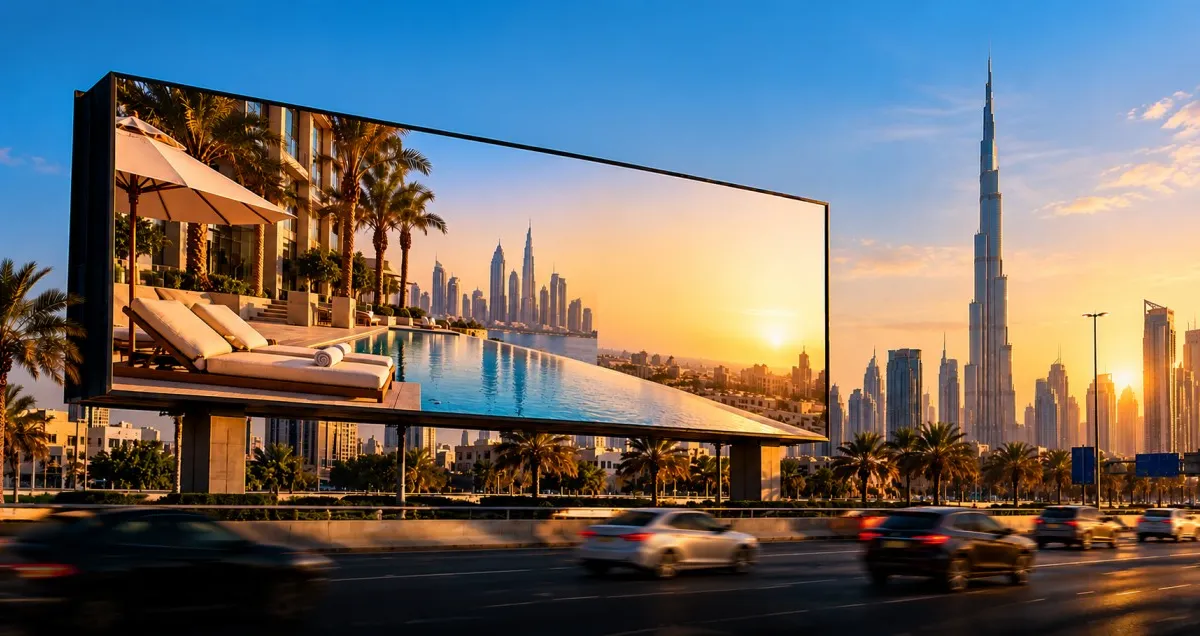
Digital billboards, roadside advertising and premium placements in shopping destinations can build awareness of hotel openings, seasonal packages and hospitality experiences.
Airport advertising is particularly relevant for hotels targeting international visitors and business travellers. Placements at Dubai International Airport and Zayed International Airport in Abu Dhabi can support brand visibility among passengers arriving in the UAE.
For example, a luxury hotel in Downtown Dubai could use digital billboards along Sheikh Zayed Road to promote its location, facilities and guest experiences.
Online Travel Agencies and Travel Platforms
Online travel agencies such as Booking.com and Expedia play an important role in accommodation discovery and bookings.
Hotels should evaluate advertising on these platforms alongside campaigns designed to increase direct reservations.
The key consideration is profitability. A booking generated through a third party platform may carry commission costs, while direct booking campaigns involve media expenditure and booking engine costs.
Comparing acquisition costs and net booking revenue helps hotels determine the commercial value of each channel.
How Should Hotels Plan Advertising Around UAE Travel Seasons?
Hospitality demand in the UAE changes throughout the year due to international travel patterns, school holidays, religious observances and major events.
Media planning should reflect these changes rather than distribute budgets evenly across every month.
Peak Tourism Season
The cooler months generally attract stronger leisure tourism demand, particularly from international markets.
Hotels can prioritise campaigns targeting higher value bookings, longer stays and premium accommodation categories.
Advertising should begin according to the booking behaviour of each source market. Long haul travellers may plan several months ahead, while regional visitors often book closer to their travel dates.
Summer and Quieter Periods
Summer campaigns can focus on UAE residents, regional visitors and travellers interested in indoor leisure facilities.
Relevant promotions include family staycations, spa packages, dining experiences and weekend resort offers.
Hotels should use historical occupancy and booking data to identify periods where additional advertising investment can generate incremental demand.
Major Events and Business Travel
Events such as GITEX GLOBAL, the Abu Dhabi Grand Prix and international exhibitions can influence hotel demand in specific areas.
Hotels near event venues can develop targeted campaigns around relevant travel dates and booking windows.
Marketing teams should coordinate with revenue management teams to avoid promoting discounted packages during periods when demand is already strong.
How to Allocate a Hotel Advertising Budget
There is no single budget allocation that works for every hospitality brand.
A luxury resort, business hotel and newly opened property will have different marketing priorities.
A practical approach is to divide advertising investment into three areas.
Demand Generation
Social media, digital video, programmatic advertising and outdoor media introduce the hotel to potential guests.
These channels are particularly relevant for new hotel openings, international market expansion and brand awareness campaigns.
Demand Capture
Paid search, Google Hotel Ads and travel platforms reach audiences already researching accommodation.
Budgets should reflect search demand, room availability, booking value and competition.
Retention and Remarketing
Remarketing campaigns and customer relationship marketing can encourage previous guests and interested travellers to return.
Hotels can promote relevant packages, direct booking benefits and future stays to eligible audiences.
Budget allocations should be reviewed regularly against occupancy forecasts, booking pace and campaign performance.
How to Measure Hotel Advertising Performance
Hotel advertising should be evaluated using commercial outcomes alongside media metrics.
Important performance indicators include:
- Direct Bookings: Reservations completed through the hotel's website or booking engine.
- Cost Per Booking: Advertising expenditure divided by attributable reservations.
- Return on Ad Spend: Booking revenue attributed to advertising divided by media expenditure.
- Average Booking Value: Revenue generated per reservation.
- Length of Stay: Average number of nights booked.
- Occupancy Rate: Percentage of available rooms occupied.
- Revenue Per Available Room: A measure of hotel revenue performance relative to available room inventory.
- Cancellation Rate: Percentage of bookings cancelled before arrival.
For brand awareness campaigns, hotels can also measure reach, frequency, brand search uplift and qualified website traffic.
Connecting advertising platforms with website analytics and booking engine data helps identify which channels contribute to reservations.
Hotels should also consider cancellations, booking changes and commission costs when evaluating profitability.
Common Media Planning Mistakes in Hotel Advertising
Several issues can reduce the effectiveness of hospitality advertising campaigns.
Advertising unavailable rooms: Campaigns should reflect actual inventory and booking availability.
Using the same messaging across markets: International travellers, business visitors and UAE residents have different motivations and booking patterns.
Relying heavily on branded search: Branded campaigns may capture customers already familiar with the hotel. Generic search and awareness activity help reach new audiences.
Ignoring the booking experience: Slow websites, unclear pricing and complicated booking journeys can reduce conversion rates.
Measuring only clicks and impressions: Hotels need to connect advertising activity with confirmed bookings, revenue and acquisition costs.
Planning campaigns too late: Advertising should begin early enough to influence travellers during their research and booking windows.
Effective media planning requires coordination between marketing, reservations and revenue management teams.
Plan Hospitality Advertising Campaigns With Media Agency Group
Media Agency Group works with hospitality brands to develop media strategies across digital, programmatic and traditional advertising channels.
Our team supports audience research, media planning, buying and campaign optimisation, helping hotels align advertising investment with their commercial objectives.
Whether launching a new property, targeting international travellers or increasing direct bookings, contact Media Agency Group to discuss your hospitality media requirements.
FAQs
What Is Media Planning for Hotels?
Hotel media planning involves selecting advertising channels, audiences, markets, budgets and campaign timings to achieve business objectives. These may include increasing direct bookings, improving occupancy, generating enquiries and building brand awareness.
Which Advertising Channels Are Most Effective for Hotels in Dubai?
Paid search and Google Hotel Ads are effective for reaching travellers actively looking for accommodation. Social media, programmatic advertising and digital video support awareness and consideration. Outdoor and airport advertising can strengthen visibility among residents and international visitors.
How Much Should Hotels Spend on Advertising in the UAE?
Hotel advertising budgets depend on property size, room rates, occupancy targets, competition and revenue objectives. Hotels should use historical booking performance and acquisition costs to determine an appropriate investment.
When Should Hotels Start Advertising Seasonal Packages?
Campaign timing depends on the target audience and booking window. International travellers may research accommodation months in advance, while UAE residents often book weekend stays closer to arrival.
How Can UAE Hotels Increase Direct Bookings?
Hotels can increase direct bookings through paid search, Google Hotel Ads, targeted social campaigns and remarketing. Competitive direct booking rates, clear benefits and an efficient booking engine are also important.
How Is the Effectiveness of Hotel Advertising Measured?
Hotels can measure performance using direct bookings, cost per acquisition, return on ad spend, average booking value and revenue generated. Brand awareness campaigns can also be assessed through reach, brand search uplift and brand lift studies.