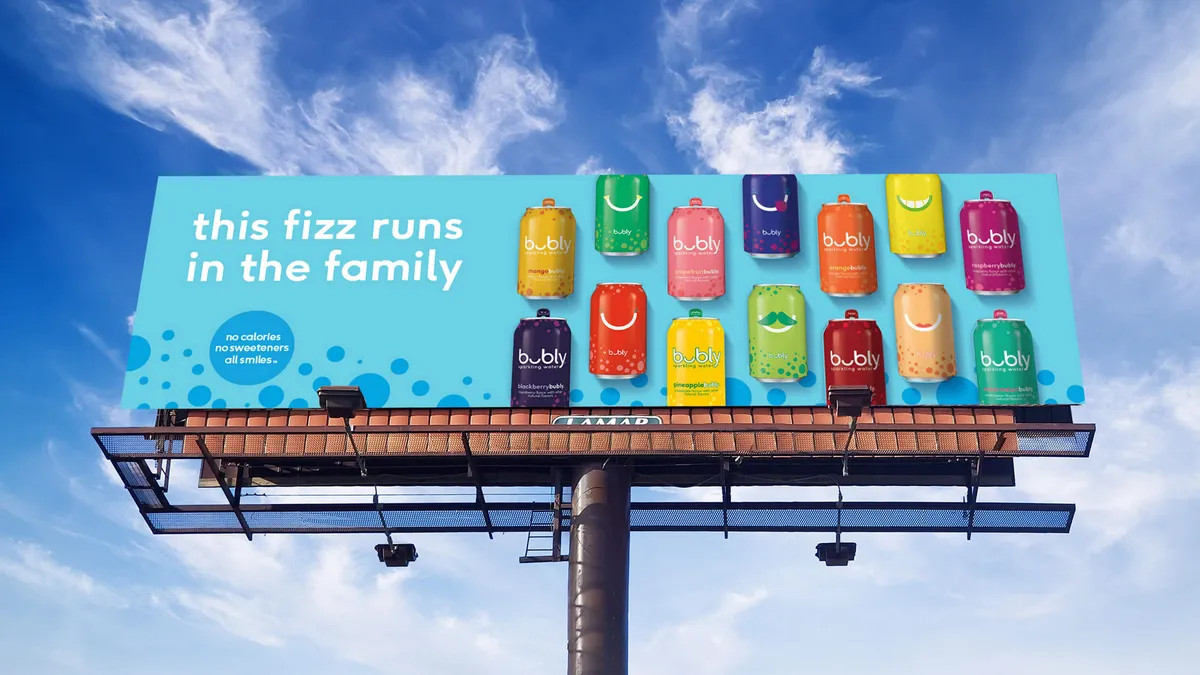
How to measure billboard advertising effectiveness?
by Khuzaima Yamman — 20 May 2026
4 minute read
Measuring billboard advertising effectiveness is more challenging than digital marketing because outdoor ads don’t have direct click-through data. However, modern Out-of-Home (OOH) advertising uses a mix of traditional research methods and advanced digital tracking tools to evaluate performance accurately.
Below is an explanation of how billboard effectiveness is measured.
1. Traffic Exposure (Impressions)
The most basic metric for billboards is impressions, which estimates how many people see the ad.
This is calculated using:
- Road traffic data (vehicles per day)
- Pedestrian counts (for street billboards)
- Location visibility (angle, distance, obstruction)
- Average dwell time (how long people are exposed)
For example, a billboard on a busy highway will generate millions of monthly impressions due to constant vehicle flow.
However, impressions do not guarantee attention—they only estimate potential views.
2. Reach and Frequency
Two important advertising metrics used in billboard campaigns are:
Reach
The number of unique people exposed to the billboard at least once.
Frequency
How many times the same person sees the billboard over a period.
High-traffic commuter routes often generate strong frequency because people see the same billboard daily while traveling to work.
This is important because repeated exposure improves brand recall and message retention.
3. Brand Awareness Studies
One of the most reliable ways to measure billboard effectiveness is through pre- and post-campaign surveys.
Marketers measure:
- Brand recall (Can people remember the ad?)
- Brand recognition (Can they identify the brand?)
- Message recall (Do they remember the offer or campaign?)
Example method:
- Survey group before campaign → measure baseline awareness
- Run billboard campaign
- Survey same or similar group after campaign → measure increase or decrease
If awareness increases significantly, the billboard is considered effective.
4. Website Traffic Lift
Even though billboards are offline, they often drive online behavior.
Marketers track:
- Direct website visits (people typing URL manually)
- Organic search spikes after campaign launch
- Branded keyword searches (e.g., “company name + offer”)
A strong billboard campaign often leads to noticeable increases in online traffic, especially if the message includes a simple call-to-action like a short URL or QR code.
5. QR Codes and Trackable Links
Modern billboards often include:
- QR codes
- Short URLs
- Custom landing pages
When users scan or visit these links, marketers can track:
- Number of scans
- Time of interaction
- Device type
- Conversion actions (sign-ups, purchases, downloads)
This bridges the gap between offline exposure and online measurement.
6. Mobile Location Data (Geofencing)
One of the most advanced measurement methods in OOH advertising is mobile data tracking.
Using anonymized location data from smartphones, advertisers can measure:
- How many people passed near a billboard
- Whether those people later visited a store or website
- Movement patterns before and after exposure
This helps connect billboard exposure to real-world actions, such as store visits or event attendance.
For example, if a billboard promotes a retail store, analysts can measure foot traffic increases after exposure.
7. Sales Lift and Conversion Tracking
Ultimately, the most important measure is whether the billboard drives sales.
Businesses track:
- Sales before and after campaign launch
- Regional sales differences (areas near billboard vs. control areas)
- Promotional code usage tied to billboard messaging
If sales increase significantly during the campaign period, the billboard is considered successful.
This is often measured using incremental lift analysis, which compares performance with and without advertising exposure.
8. Social Media and Search Mentions
Billboards can also trigger online conversations.
Marketers monitor:
- Social media mentions of the brand or campaign
- Hashtag usage
- User-generated photos of billboards
- Increased search volume for the brand
A visually strong or creative billboard often generates “organic amplification,” where people share it online without being asked.
This extends the reach far beyond physical locations.
9. Location Performance Comparison
Advertisers often run multiple billboards in different locations and compare performance.
They evaluate:
- Which location generates higher traffic or engagement
- Which message performs better
- Which design attracts more attention
This helps optimize future campaigns by focusing budgets on high-performing areas.
10. Attention and Visibility Studies
Newer measurement tools use technology such as:
- Eye-tracking studies
- AI-powered camera analysis
- Visibility scoring models
These methods estimate:
- How long people look at a billboard
- Whether the design is noticeable
- Which elements (logo, headline, visuals) attract attention
This helps improve creative design, not just placement.