How Billboard Advertising Supports Brand Distinctiveness
by Khuzaima Yamman — 25 Jun 2026
4 minute read
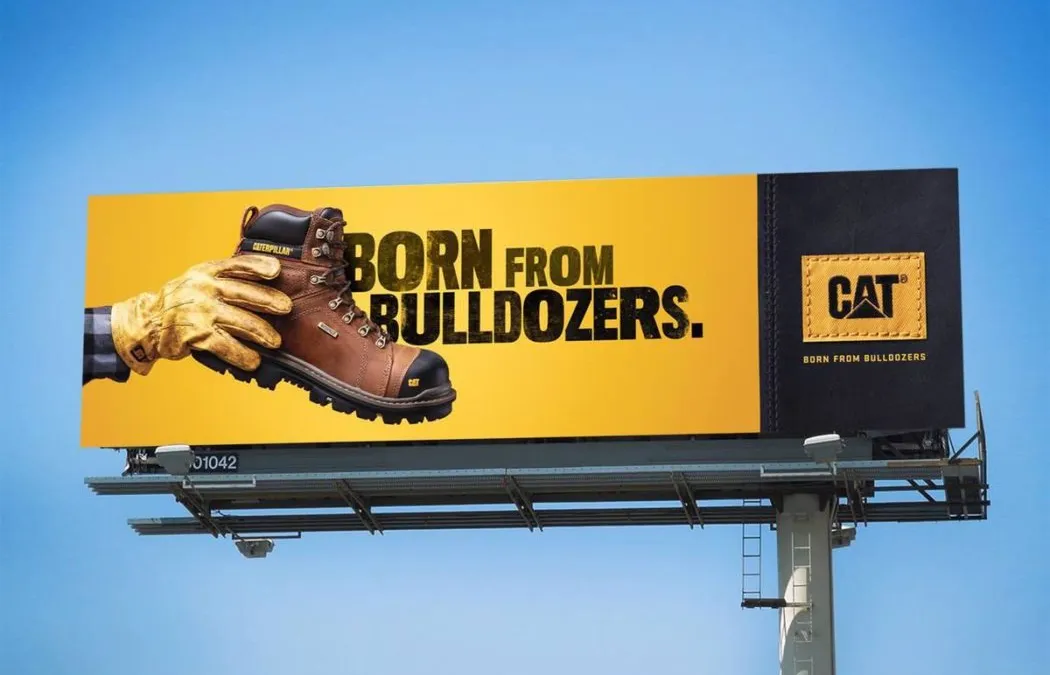
Billboard advertising helps brands become more recognizable by putting distinctive visual assets in front of people repeatedly. In busy markets, customers may not remember every product detail, but they are more likely to remember colors, logos, slogans, characters, shapes, images, and brand style when they see them often.
A strong billboard does not just tell people what a brand offers. It helps the brand become easier to notice, recognize, and recall.
1. It Makes Brand Assets More Visible
Distinctiveness is built when people repeatedly see the same brand elements across different places. Billboards are effective because they display these assets in large, public, and memorable formats.
This can include:
- Brand colours
- Logo
- Typeface
- Tagline
- Packaging style
- Campaign slogan
- Signature imagery
When these elements are used consistently, people can recognize the brand faster, even before reading the full message.
2. It Creates Repeated Recognition
Billboards are seen during daily routines such as commuting, shopping, traveling, or walking through busy areas. This repeated exposure helps build familiarity.
A person may not respond the first time they see the billboard. But after seeing the same colors, logo, or message several times, the brand becomes easier to remember when they later need the product or service.
This is especially useful for categories where people do not buy immediately, such as real estate, automotive, finance, healthcare, education, hospitality, and travel.
3. It Helps Brands Stand Out in Competitive Markets
Many brands compete for attention online, in-store, and across media channels. Billboard advertising gives brands a large physical presence that can be difficult to ignore.
A distinctive billboard can make a brand look more established, confident, and memorable. This is especially important in cities where consumers are exposed to many competing messages every day.
4. It Builds Mental Availability
Mental availability means being easy to think of in buying situations. Billboard advertising supports this by keeping the brand visible before customers are ready to purchase.
For example, someone may see a property developer’s billboard every day on their commute. They may not inquire immediately, but when they begin looking for a home, that brand is more likely to come to mind.
The same applies to restaurants, hotels, clinics, schools, gyms, retailers, events, and local services.
5. It Reinforces Consistent Brand Codes
Billboards work best when they use the same brand codes as other marketing channels. If the outdoor campaign looks completely different from the brand’s website, social media, packaging, or retail presence, recognition becomes weaker.
To support distinctiveness, brands should keep key elements consistent across:
- Outdoor advertising
- Digital campaigns
- Social media
- Website landing pages
- Retail signage
- Packaging
- Event branding
- Print and radio campaigns
Consistency makes the brand easier to identify across every touchpoint.
6. It Uses Scale to Strengthen Memory
One of the biggest advantages of billboard advertising is scale. Large-format visuals can make brand assets feel more memorable because people see them in a bold and public setting.
A strong logo, color palette, product image, or campaign character can become more powerful when displayed at billboard size. The larger and clearer the execution, the easier it is for people to notice and remember.
7. It Makes Simple Messages More Memorable
Billboards are most effective when the message is simple. This supports brand distinctiveness because the audience can quickly connect the message with the brand.
Strong billboard messaging usually focuses on one idea, such as:
- A brand promise
- A product launch
- A location
- A seasonal offer
- A memorable slogan
- A visual identity
- A simple call to action
Too much information can weaken recognition. A clear message gives the brand a better chance of being remembered.
8. It Connects the Brand With Places and Moments
Billboards can help brands become associated with specific locations, journeys, or routines. A brand seen regularly near business districts, airports, malls, residential communities, or major roads can become part of the audience’s environment.
This location-based familiarity can be valuable. A restaurant near a busy road, a hotel near an airport, or a real estate brand on a premium route can use billboard advertising to build a stronger connection with the places where customers make decisions.
9. It Supports Long-Term Brand Building
Billboard advertising is not only useful for short-term promotions. It is also valuable for long-term brand building because it helps keep the brand present in the public eye.
A brand that appears consistently outdoors can become more familiar over time. This familiarity can support trust, recognition, and preference when customers are ready to act.
10. It Works Well With Digital and Social Media
Billboards can make online campaigns more recognizable. When people see the same creative outdoors and then later see it on social media, search, or display ads, the message feels more familiar.
This repeated exposure across channels strengthens recall and helps customers connect the campaign to the brand more quickly.
For example, a campaign might use a billboard for broad awareness, then support it with paid social, search ads, retargeting, and landing pages. The billboard makes the brand visible, while digital channels help drive action.