Stranger Things Turns UK Cities into an Outdoor Advertising Spectacle
by Anisha Lyall — 14 Jan 2026
5 minute read
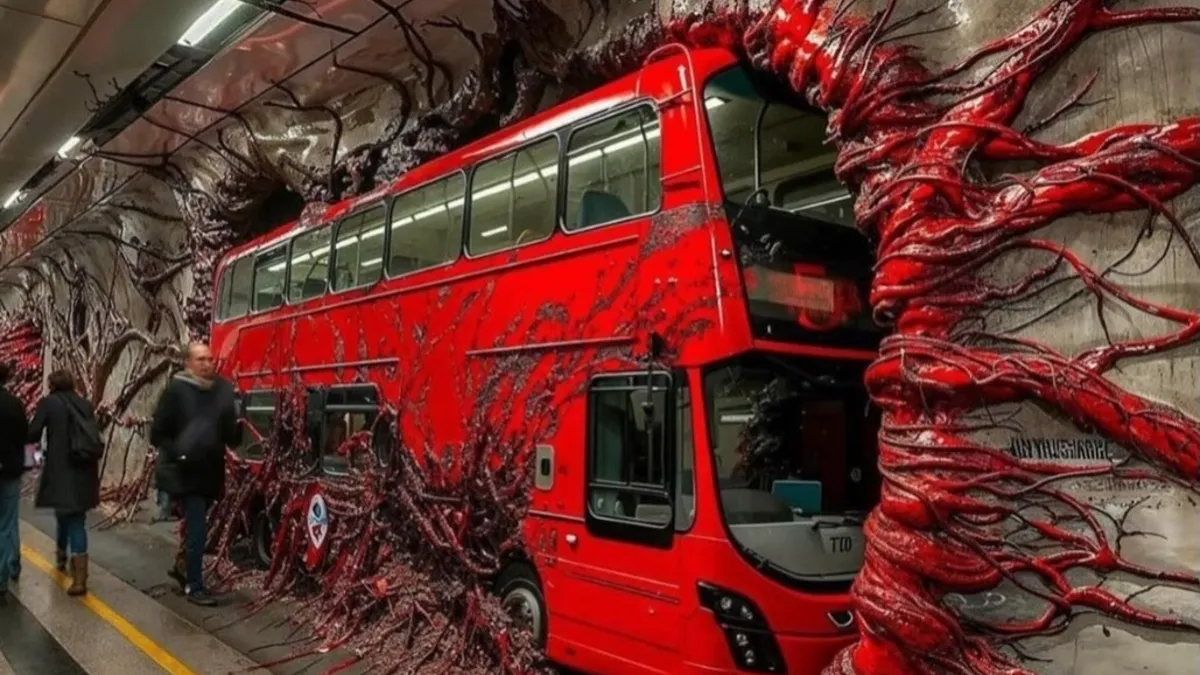
Across the UK, familiar city spaces have taken on a darker tone. Red skies. Cracked visuals. Iconic landmarks reshaped into something unsettling and impossible to ignore. Netflix has once again proven how powerful outdoor advertising can be when creativity, scale and placement work together.
The latest Stranger Things campaign for the fifth and final season has gone far beyond traditional promotion. It has turned London and other major cities into live stages for storytelling. The result is a level of attention and conversation as people encounter the campaign in real world environments.
For brands watching from the sidelines, this campaign offers a clear lesson. When outdoor advertising is used boldly, it delivers presence, memorability and impact at scale.
How Netflix Transformed Everyday Locations Into Cultural Moments
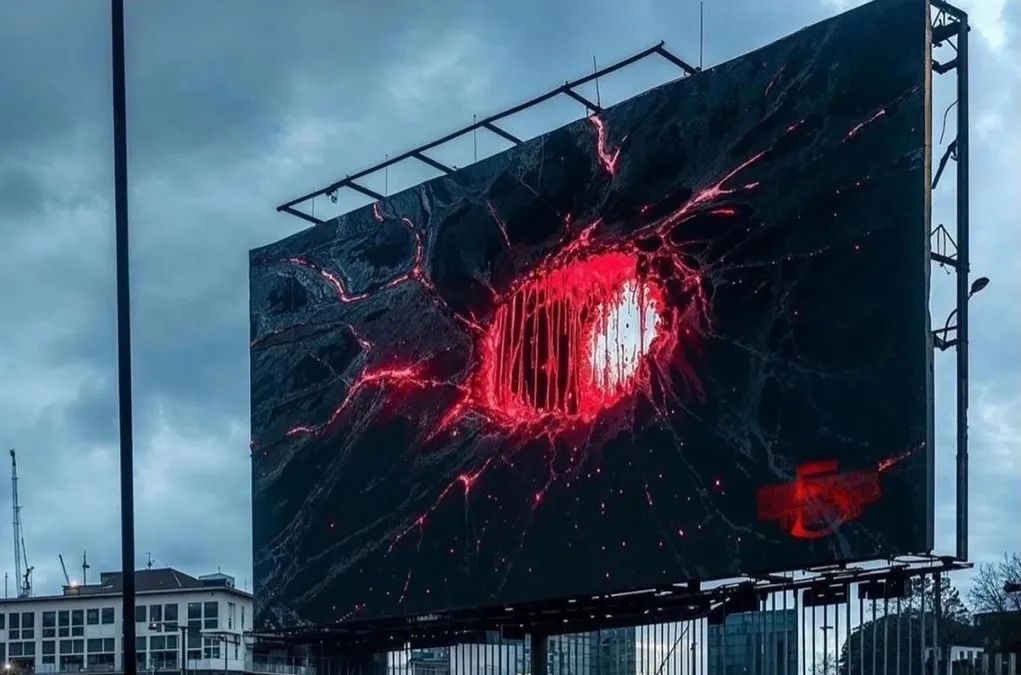
The strength of this campaign lies in how ordinary environments were reimagined. Bus shelters, roadside billboards and transport hubs became part of the narrative. These were not standalone posters. They were immersive scenes.
Commuters walking across bridges or waiting for transport found themselves surrounded by glowing red imagery that echoed the Stranger Things world. The visuals felt cinematic and dramatic, yet rooted in real locations people recognise.
This approach created a sense of disruption without confusion. People knew exactly what they were looking at. The brand cues were clear, but the experience felt unexpected.
From a media perspective, this is a strong example of how context elevates outdoor advertising.
The Role of OOH in Building Anticipation at Scale
Out of home advertising remains one of the most effective ways to reach mass audiences quickly. Netflix leaned heavily into this strength.
Key advantages of OOH highlighted by the campaign include
- High frequency exposure in busy urban areas
- Strong visual impact through large format placements
- Brand dominance within specific locations
- Long dwell time in pedestrian heavy zones
OOH works because it meets people in their daily routines. When a campaign occupies multiple touchpoints across a city, it creates familiarity and intrigue at the same time.
This is particularly effective for entertainment launches, but the principle applies to any brand looking to generate awareness fast.
Digital OOH Added Movement and Atmosphere
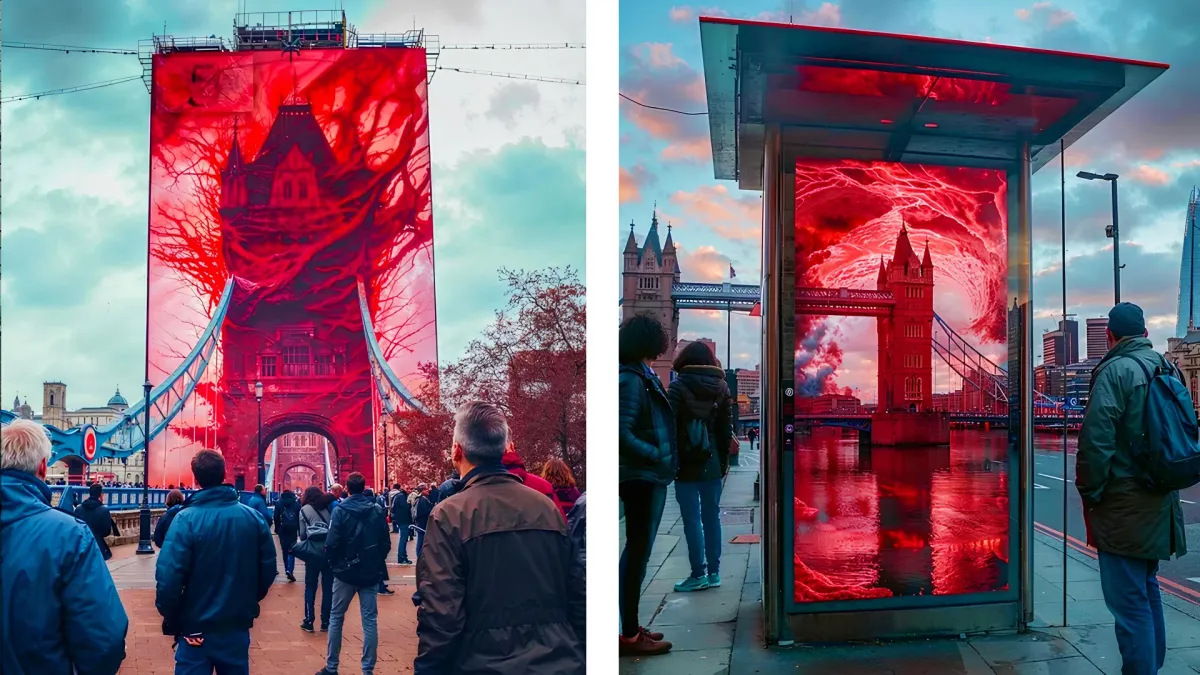
Digital OOH took the campaign further. Motion, light and texture brought the visuals to life. Screens displayed animated cracks, shifting skies and pulsing red light.
This use of digital formats allowed the campaign to feel alive rather than static. It also increased stopping power. People paused. Phones came out. Content was shared.
For advertisers, DOOH offers flexibility that traditional formats cannot. Creative can be updated, animated and scheduled around key moments. Netflix used this to reinforce the feeling of an unfolding event.
Digital OOH also bridges the gap between physical and online worlds. What people see on the street often ends up on social media, extending reach far beyond the original placement.
Why this Campaign Dominated Social Feeds
One of the most notable outcomes of the Stranger Things campaign is how widely it travelled online without relying on heavy paid social promotion.
This happened because the visuals were designed to be photographed. The environments were recognisable. The contrast between familiar locations and dark imagery made the content shareable.
OOH and digital OOH acted as the spark. Social media amplified it organically.
For brands, this demonstrates the value of designing outdoor campaigns with social sharing in mind. When the physical execution is strong, digital reach follows naturally.
Lessons for Brands Planning Their Next Outdoor Campaign
While few brands have Netflix budgets, the principles behind the campaign are accessible.
Key takeaways include
- Choose locations with cultural relevance and high footfall
- Design creative that works at distance and up close
- Use digital OOH to add motion and depth
- Build a consistent visual language across formats
- Think beyond impressions and focus on impact
The success of this campaign is not about scale alone. It is about clarity, confidence and commitment to the idea.
Brands that play safe rarely get noticed outdoors. Bold creative backed by smart media planning stands out.
How Media Agency Group Helps Brands Unlock Outdoor Impact
At Media Agency Group, we work with brands across the UK to plan and deliver high impact outdoor advertising campaigns. From classic OOH formats to digital OOH placements, we help brands choose the right media, locations and formats to achieve real visibility.
We focus on campaigns that are clear, bold and commercially effective. Whether you are launching a product, building awareness or refreshing your brand presence, outdoor advertising can play a central role.
If you are considering OOH or digital OOH for your next campaign, speak to our team. We help brands turn space into attention and attention into action.
FAQs
What is OOH advertising and why is it effective?
OOH advertising is when brands promote themselves through media such as billboards, bus shelters, roadside panels, transport ads and large format sites in busy public areas. It is effective because it reaches large audiences in real world environments with high visibility.
How did Netflix use digital OOH in the Stranger Things campaign?
Netflix used digital screens with animated visuals to create atmosphere, movement and stopping power across major UK locations.
Can mid level brands benefit from outdoor advertising?
Yes. With the right planning and creative, OOH and digital OOH can deliver strong awareness and brand recall without requiring huge budgets.
Does outdoor advertising support online engagement?
Strong outdoor campaigns often drive organic social sharing, extending reach and engagement beyond the physical placement.